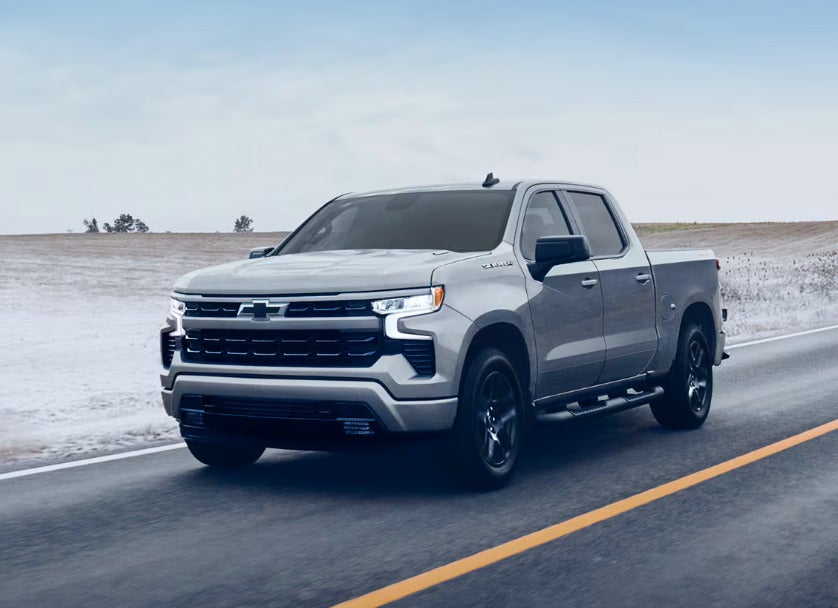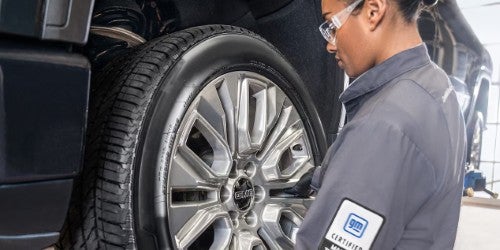



Winters in Monroeville and across the greater Pittsburgh area are hard on pickups. Freeze-thaw cycles, snowy hills along Route 22 and the Parkway East, and the steady coat of road salt and brine that covers local roads from November through March all take a toll, even on a truck as tough as a Chevy Silverado or Colorado. The good news is that a little preparation goes a long way. Here is how to protect your Chevy truck this winter, from the frame up. Fight Road Salt Before It Starts Road salt is the biggest long-term threat to any truck in Western Pennsylvania. It collects on frame rails, brake lines, suspension parts and inside the wheel wells, where it quietly speeds up rust. Truck undercoating or rust proofing applied before the first big storm adds a protective barrier to the parts you never see. From there, regular washing is your best defense. Aim for a wash every week or two during salt season and after every major storm, and choose a wash with an undercarriage spray. Try to wash on days above freezing so water does not freeze in door seals and locks, rinse out the truck bed while you are at it. Choose the Right Tires and Check the Pressure Your tires are the only thing connecting your truck to icy pavement, so they deserve attention before the snow flies. Dedicated winter tires offer the most grip once temperatures drop below about 45 degrees, while all-terrain tires that carry the three-peak mountain snowflake symbol are a solid year-round choice for many truck owners. Cold air also lowers tire pressure by roughly one PSI for every 10-degree drop in temperature, so check your pressure at least once a month and inflate to the number on your driver's door jamb. Keeping up with tire rotations helps your tread wear evenly, which matters even more on four-wheel-drive models. Prepare the Battery, Fluids and Wipers Cold weather cuts into a battery's starting power, and batteries that are three to five years old are the most likely to fail on a frigid morning, so have yours tested before winter sets in. Switch to a washer fluid rated well below zero, make sure your coolant is mixed for winter temperatures, and replace worn wiper blades so slush and salt spray do not blur your view. Stay on schedule with oil changes using your truck's Oil Life Monitor. If your truck is equipped with remote start, you can warm up the cabin from your phone with the myChevrolet app, though modern engines need only a short warm-up before you drive off gently. Keeping your gas tank at least half full also helps limit moisture in the fuel system. Schedule Winter Service at Bowser Chevrolet Monroeville The easiest way to protect your truck is to let our certified technicians check it before winter does its worst. The service team at Bowser Chevrolet Monroeville can test your battery, rotate your tires, top off fluids, replace wiper blades and inspect your undercarriage for early signs of rust, all with genuine GM parts. Schedule your Chevy service online today or stop by and visit us at 1600 Golden Mile Highway in Monroeville to get your truck ready for the season. Frequently Asked Questions Is undercoating worth it for a truck in Pennsylvania? For trucks driven on salted roads all winter, undercoating or rust proofing adds a helpful layer of protection to the frame and underbody, especially when combined with regular undercarriage washes. Do trucks need winter tires? Not always, but winter tires provide the best grip in cold, snowy conditions. All-terrain tires with the mountain snowflake symbol are a good alternative for drivers who want one set year-round. How long should I let my truck warm up in winter? Most modern engines typically need about 30 seconds to one minute of idling and then 10 to 15 minutes of gentle driving to warm the engine. How often should I wash my truck in winter? Every week or two will be plenty of effort to fight off salt and rust. When should I get my truck ready for winter in Monroeville? Late October to mid November is the perfect time to prepare your truck before the cold and snow truly sets in.